We create opportunity
in Niger.

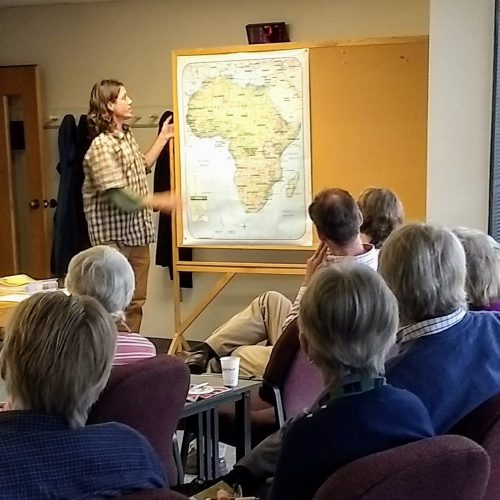
Join John Lamson and Lou Salome at the Portsmouth Athenaeum for a diplomat and a journalist’s take on Niger, RAIN, and where things go from here. Wednesday, May 8th at 5:30pm
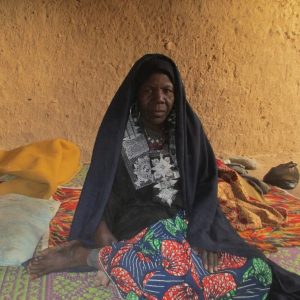
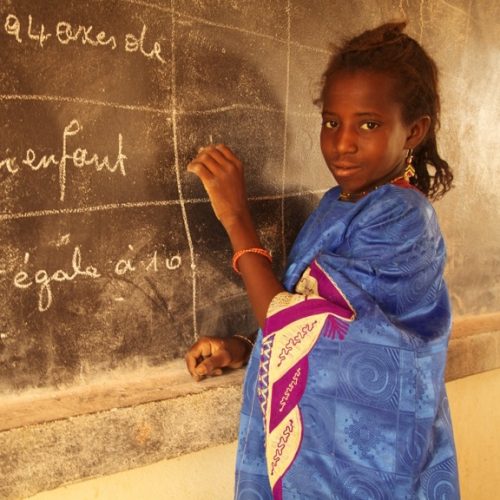
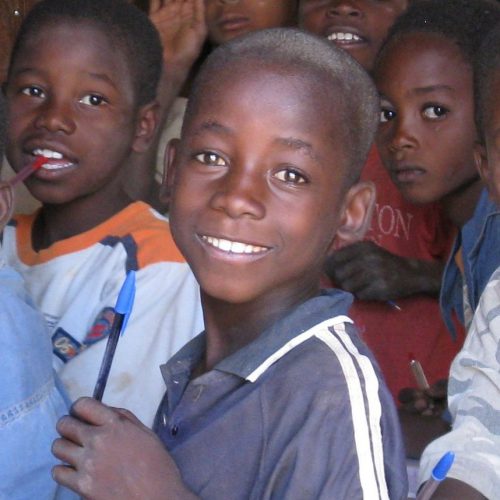
RAIN supported my daughter when we had lost all hope. Through RAIN’s mentoring program, she learned to love her studies and she succeeded in earning her middle school diploma in June. The experience convinced her to continue her studies at Tagama High School in town.
I am emotional and can’t find the words to describe my feelings, I know that thanks to your initiative, my life has changed for the better. I was living without an objective, without a vision for the future, but now I’m fulfilled, full of vision and clarity. I am confident in the future.”
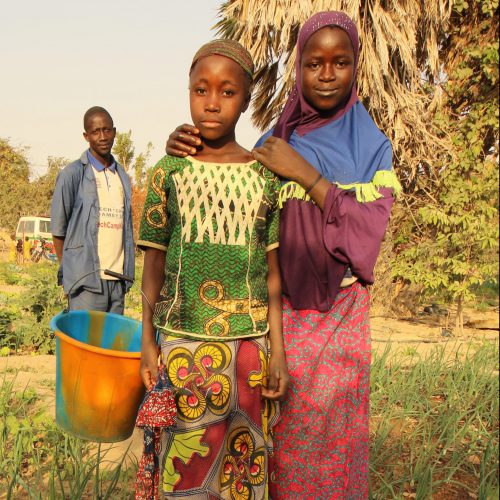
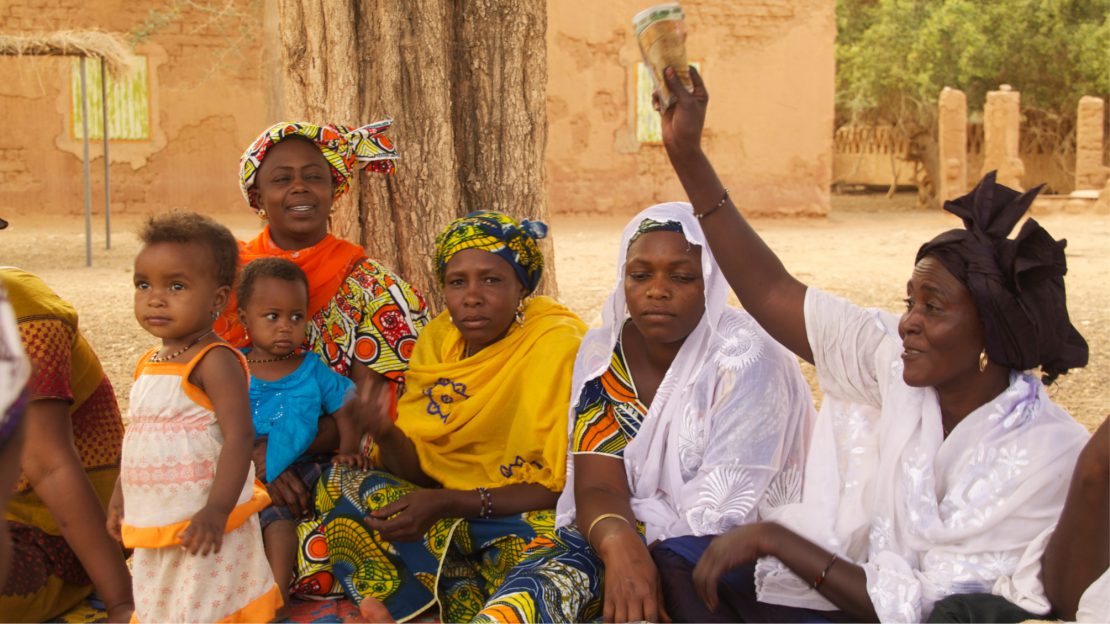
We partner with rural and nomadic communities in Niger.
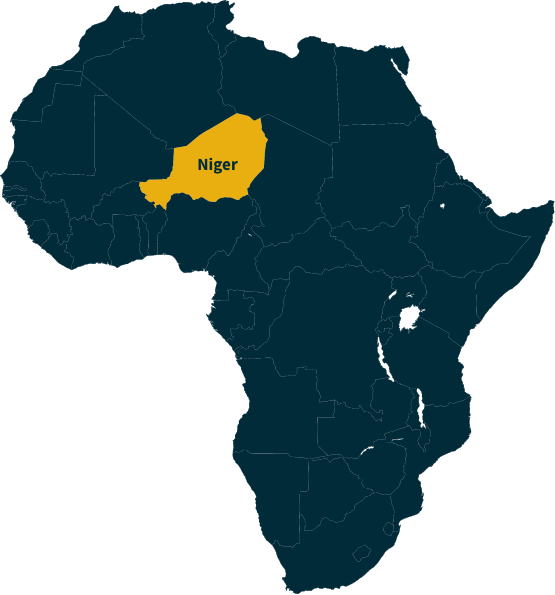
In 2022, We Reached

4,000+ Nigeriens
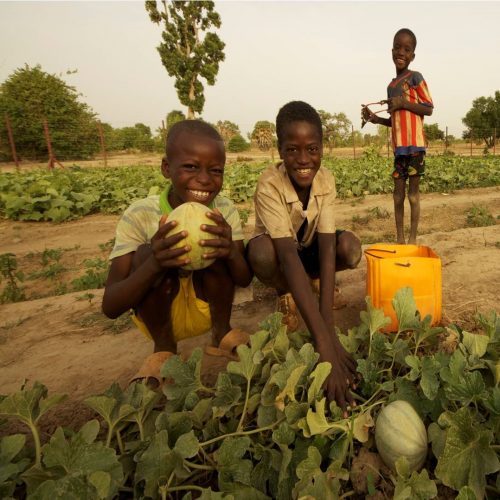
accessed safe water and nutritious food

292 Women
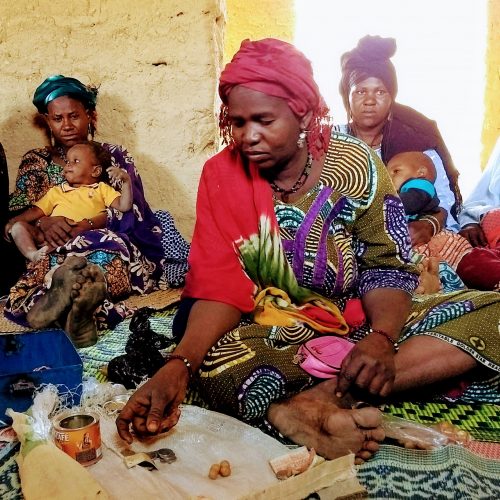
earned their own income

2,116 Children
received support to succeed in school
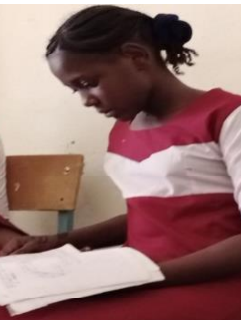
Amina’s Story
Amina is 11 years old. This year was her first year at RAIN’s Agadez Learning Center and this is the story of how she got there.
Amina was born in the village of Tagalalt, northwest of Tchirozérine. Amina’s father has passed away. Amina has two older brothers from her mom’s first marriage, an older sister with whom she shares a father, …